


Postural Tachycardia Syndrome (POTS)
When Standing Up Becomes a Daily Challenge
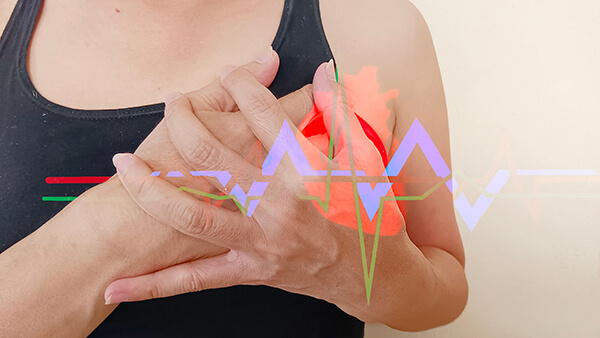
Postural Orthostatic Tachycardia Syndrome (POTS) is a complex condition that affects the body’s autonomic nervous system – responsible for regulating involuntary functions like heart rate and blood pressure. For those living with POTS, simply standing up can trigger a rapid increase in heart rate, often accompanied by dizziness, light-headedness, nausea, chest pain, fatigue, and even fainting.
POTS is one of the most common forms of dysautonomia, yet it remains widely misunderstood and frequently misdiagnosed. Many people with POTS are told their symptoms are due to anxiety or dismissed altogether – leaving them to navigate their condition without the right care or support.
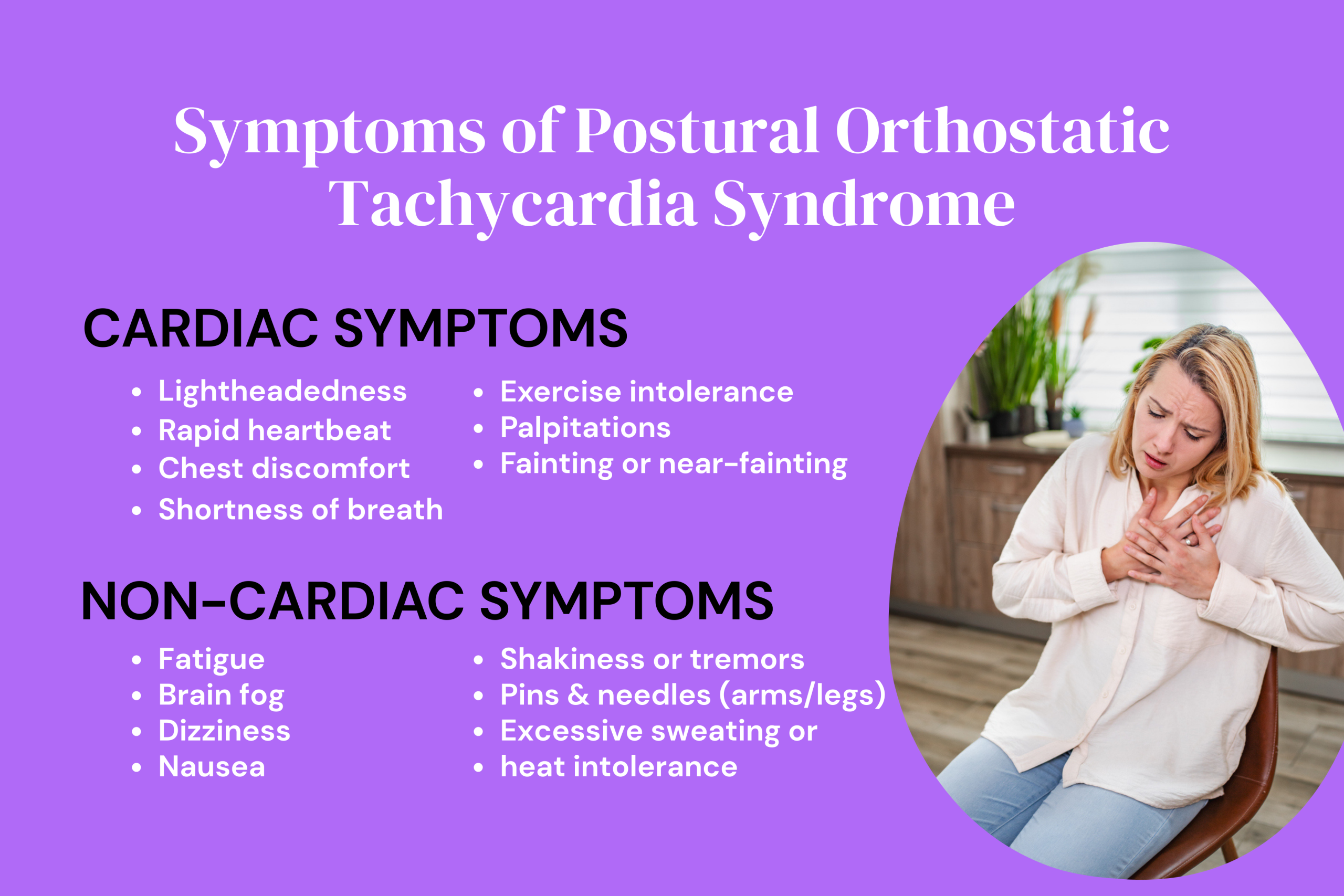
Symptoms of Postural Orthostatic Tachycardia Syndrome
Cardiac Symptoms
- Lightheadedness
- Rapid Heartbeat
- Chest Discomfort
- Shortness of Breath
- Exercise Intolerance
- Palpitations
- Fainting or Near-Fainting
Non-Cardiac Symptoms
- Fatigue
- Brain Fog
- Dizziness
- Nausea
- Anxiety
- Shakiness or Tremors
- Pins & Needles (Arms/Legs)
- Excessive Sweating or Heat Intolerance
More Than Just a Fast Heartbeat
POTS is not a single-symptom condition. It often includes brain fog, sleep disturbances, temperature regulation issues, digestive problems, and exercise intolerance. These symptoms can significantly impact daily life, making school, work, or even standing in line feel exhausting.
To make matters more challenging, POTS often co-occurs with other underdiagnosed conditions, such as Hypermobile Ehlers-Danlos Syndrome (hEDS) and Mast Cell Activation Syndrome (MCAS). The overlapping symptoms and multi system involvement, can confuse healthcare providers and delay accurate diagnosis and treatment.

How ConnectED Supports You
ConnectED was designed for people facing exactly this kind of diagnostic complexity. Our app guides you through a comprehensive symptom questionnaire and generates a personalised report that can help highlight symptom patterns often associated with conditions like POTS.
While the app doesn’t diagnose, it empowers you with structured, evidence-based insights that support better communication with your healthcare provider—bringing you one step closer to the answers and care you deserve.