


Plain English Guide: hEDS, POTS & MCAS
Welcome to ConnectED. If you’ve been experiencing a mix of hard-to-explain symptoms and are looking for answers, this page is designed to help you understand three commonly connected conditions: hypermobile Ehlers-Danlos Syndrome (hEDS), Postural Orthostatic Tachycardia Syndrome (POTS), and Mast Cell Activation Syndrome (MCAS).

What is Hypermobile Ehlers-Danlos Syndrome (hEDS)?
- Joint pain and frequent sprains or dislocations
- Clicky joints
- Pain on one side more than the other side of the body
- Fatigue, brain fog, and poor sleep
- Digestive problems (like reflux, bloating, or constipation)
- Easy bruising or fragile skin
- Unexplained anxiety-like symptoms (these are not due to mental health causes, but likely the result of metabolic changes which occur in hEDS)
Because hEDS affects many systems in the body, symptoms can seem unrelated at first. Many people with hEDS go years without a proper diagnosis.
Fact: hEDS is thought to be underdiagnosed, especially in women and neurodivergent individuals (Castori et al., 2017).
What is POTS?
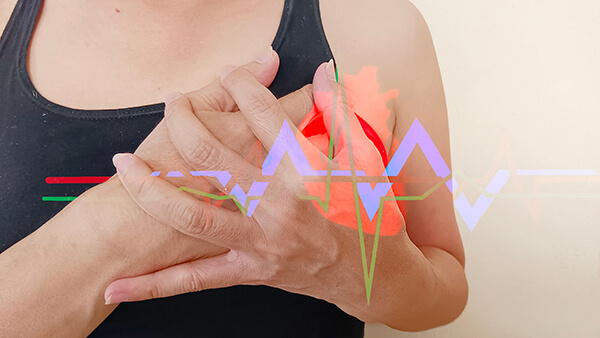
Postural Orthostatic Tachycardia Syndrome (POTS) is a type of autonomic dysfunction. That means it affects the automatic processes in your body—like heart rate, blood pressure, and circulation.
In POTS, the body has trouble adjusting to standing up. Blood pools in the lower body, and the heart races to compensate. Common symptoms include:
- Dizziness or light-headedness when standing
- Rapid heart rate
- Feeling faint or having “blackout” moments
- Brain fog or difficulty concentrating
POTS often appears in teens and young adults and can overlap with hEDS. It’s often triggered by a virus such as HPV, COVID19 or Epstein Barr (Glandular Fever).
Fact: Studies show that up to 80% of people with hEDS also experience symptoms of POTS (Rowe et al., 2021).
What is MCAS?
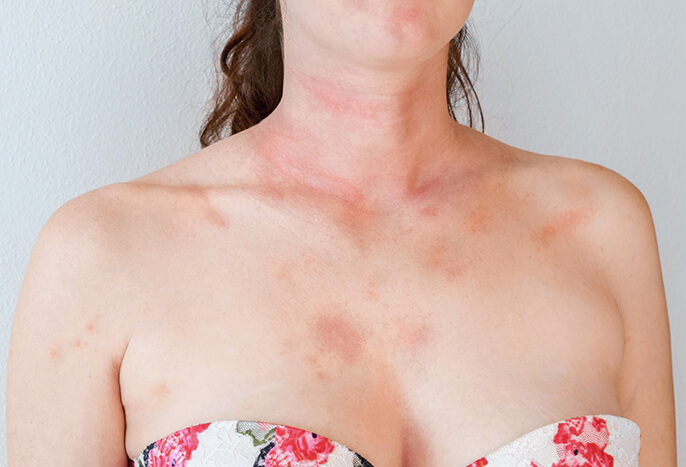
Mast Cell Activation Syndrome (MCAS) is a condition where the body’s mast cells release too many chemicals at the wrong time. Mast cells help protect the body from infection, but in MCAS, they become overreactive.
This can cause a wide range of symptoms, including:
- Skin reactions like flushing, hives, or rashes
- Digestive upset (nausea, diarrhea, cramps)
- Sensitivity to smells, chemicals, or certain foods
- Headaches and fatigue
- Temperature intolerance
MCAS can be triggered by stress, heat, exercise, or even no clear cause at all. It is often seen in people with hEDS and/or POTS.
Fact: MCAS is a newly recognised condition and is still being studied. Treatment is based on managing symptoms and avoiding triggers (Afrin & Molderings, 2014; Afrin et al., 2013).
Why These Conditions Often Go Together
- Immune system reactivity
- Connective tissue differences
- Hormonal and nervous system imbalance
How ConnectED Supports You
ConnectED was designed for people facing exactly this kind of diagnostic complexity. Our app guides you through a comprehensive symptom questionnaire and generates a personalised report that can help highlight symptom patterns often associated with conditions like POTS.
While the app doesn’t diagnose, it empowers you with structured, evidence-based insights that support better communication with your healthcare provider—bringing you one step closer to the answers and care you deserve.
You’re not imagining it—and you’re not alone.
If you suspect you may have POTS or are searching for clarity around your symptoms, ConnectED is here to help you feel seen, supported, and better equipped to advocate for your health.
If you are looking for practical next steps, we’ve put together a small number of tools and resources that may help support day-to-day management.
References
Afrin, L. B., Butterfield, J. H., Raithel, M., & Molderings, G. J. (2013). Presentation, diagnosis and management of mast cell activation syndrome. The World Allergy Organization Journal, 6(1), 1–17. https://doi.org/10.1186/1939-4551-6-13
Afrin LB, Molderings GJ. A concise, practical guide to diagnostic assessment for mast cell activation disease. World J Hematol 2014; 3(1): 1-17 [DOI: 10.5315/wjh.v3.i1.1]
Castori, M., et al. (2017). Natural history and clinical evolution of the joint hypermobility syndrome/Ehlers–Danlos syndrome, hypermobility type: A longitudinal cohort study. American Journal of Medical Genetics Part A, 173(4), 940–949. https://doi.org/10.1002/ajmg.a.38141
Rowe, P. C., Barron, D. F., Calkins, H., Maumenee, I. H., Tong, P. Y., & Geraghty, M. T. (2021). Orthostatic intolerance and chronic fatigue syndrome associated with Ehlers-Danlos syndrome. Pediatrics, 103(1), 84–89. https://doi.org/10.1542/peds.103.1.84