

The condition is larger than its most famous name. Here is what medicine is missing
This is Blog 1 of The Dysautonomia Journey — a fully referenced series following the autonomic dysfunction patient from their first clinical encounter to the structural patterns of the system that shapes their journey. Start with the Series Introduction if you’re new here.
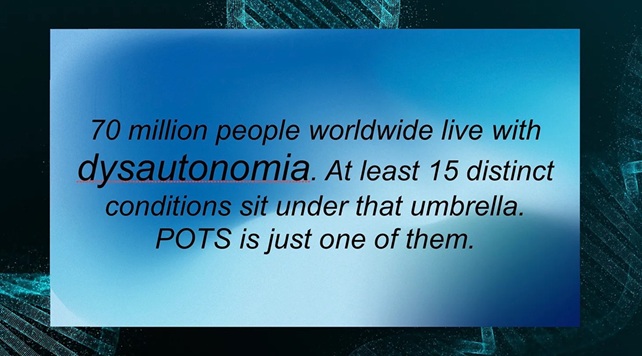
When people hear the word dysautonomia, many immediately think of Postural Orthostatic Tachycardia Syndrome — POTS. And understandably so. POTS has gained significant visibility in recent years, particularly following the COVID-19 pandemic, and it deserves every bit of the awareness it receives. But here’s the thing: POTS is just one condition within a much larger, and often overlooked, family of disorders.
This blog is for the patient who wonders whether their symptoms fit. For the clinician piecing together a complex picture. For the researcher exploring new directions. For the caregiver trying to understand what their loved one is facing. And for anyone who simply wants to know more. Because when it comes to dysautonomia, the full story is far bigger than one diagnosis.
Primary and Secondary Dysautonomia: An Important Distinction
Primary dysautonomia arises from the autonomic nervous system itself — either through genetic mutations or degenerative neurological processes. Secondary dysautonomia develops as a consequence of another underlying condition. Dysautonomia is one of the common and under-recognised comorbidities of a wide variety of systemic diseases, including diabetes, autoimmune disorders, vitamin deficiencies, and hormonal dysregulation.
This distinction matters clinically — because treating the underlying condition in secondary dysautonomia can significantly improve autonomic symptoms, whereas primary dysautonomia requires direct autonomic management.
The Conditions: A Closer Look
Neurocardiogenic Syncope (NCS) — The Most Common Form
Neurocardiogenic syncope is the most common form of dysautonomia. It results in occasional or frequent fainting spells when the body overreacts to intense emotion, dehydration, or extreme pain. Heart rate and blood pressure drop suddenly, resulting in reduced blood flow to the brain and a brief loss of consciousness. Also known as vasovagal syncope, NCS is frequently dismissed as simply fainting — yet for many people, recurrent episodes significantly impact quality of life, safety, and independence.
Postural Orthostatic Tachycardia Syndrome (POTS)
POTS is characterised by an abnormal increase in heart rate upon standing — a sustained heart rate increment of 30 beats per minute or more within 10 minutes of standing in the absence of orthostatic hypotension (40 bpm in adolescents). Approximately 25 percent of those with POTS have severe symptoms that prevent them from working, sleeping, and spending time with friends and family.
Diagnosis is best achieved using the Malmö Active Standing Test, which captures the full orthostatic heart rate profile — including the initial overshoot in the first 30 seconds, the stabilisation pattern, and the 30:15 ratio — providing a characteristic signature that differentiates POTS subtypes without the procedural risks that tilt table testing carries in this population.
Orthostatic Hypotension (OH)
Orthostatic hypotension involves a significant drop in blood pressure upon standing — defined as a sustained drop in systolic blood pressure of 20 mmHg or more, or diastolic blood pressure of 10 mmHg or more within 3 minutes of standing. Symptoms include dizziness, nausea, weakness, headache, and syncope. It is particularly common in older adults and those with diabetes or Parkinson’s disease.
Inappropriate Sinus Tachycardia (IST)
IST is characterised by a persistently elevated resting heart rate disproportionate to physiological demands. It can be difficult to distinguish from POTS, though the two conditions are distinct. The overlap in presentation makes careful autonomic assessment essential.
Multiple System Atrophy (MSA)
MSA is a rare, debilitating, adult-onset neurodegenerative disorder affecting both sexes, with a prevalence of 1.9 to 4.4 per 100,000. It manifests as parkinsonism, cerebellar ataxia, and autonomic dysfunction, and is pathologically characterised by alpha-synuclein aggregations. MSA usually occurs in middle age, averaging between 54 and 61 years, and carries a significantly reduced life expectancy.
Pure Autonomic Failure (PAF)
PAF is a neurodegenerative disorder of the autonomic system resulting in orthostatic hypotension, caused by accumulation of alpha-synuclein in autonomic nerves. Autonomic failure may manifest as genitourinary, bowel, and thermoregulatory dysfunction. Some individuals with PAF may later develop features consistent with MSA, Parkinson’s disease, or dementia with Lewy bodies.
Autoimmune Autonomic Ganglionopathy (AAG)
AAG is a rare form of dysautonomia involving symptoms representing autonomic failure of the sympathetic, parasympathetic, and enteric nervous systems. The most prevalent symptom is orthostatic hypotension. Some patients have rapid onset while others have a more progressive presentation. AAG is notable because it is potentially treatable with immunotherapy.
Familial Dysautonomia (FD)
FD is a very rare type of dysautonomia affecting predominantly people of Ashkenazi Jewish descent. Symptoms typically appear in infancy or childhood and can lead to a dysautonomic crisis involving rapid fluctuations in blood pressure and heart rate. FD is a serious condition with significant impact on life expectancy, though treatment advances have improved outcomes considerably.
Secondary Dysautonomias
Autonomic dysfunction frequently arises in the context of other systemic diseases, including diabetes, ALS, Chiari malformation, complex regional pain syndrome, COVID-19 and Long COVID, Ehlers-Danlos syndrome, Guillain-Barré syndrome, Lewy body dementia, Lyme disease, multiple sclerosis, and Parkinson’s disease.
Many people with Long COVID have symptoms similar to those of POTS — bringing dysautonomia into sharper clinical focus globally and driving a significant increase in both diagnosis and research interest.
Why This Matters: The Diagnostic Challenge
The most common autonomic disorders — POTS, neurocardiogenic syncope, and orthostatic hypotension — may be undiagnosed or often mislabelled with psychiatric disorders. This diagnostic delay has real consequences — not only in delayed treatment, but in the profound psychological toll of being told one’s symptoms are all in your head.
It is important to note that patients can have more than one form of dysautonomia simultaneously. This complexity is precisely why personalised, specialist care matters so much — and why broadening clinical awareness beyond POTS is one of the most important things this series can contribute.
Closing Thoughts
POTS is a vital part of the dysautonomia conversation — but it is not the whole conversation. From the teenager who faints repeatedly and is labelled anxious, to the older adult whose Parkinson’s disease has profound autonomic features, to the person navigating Long COVID symptoms that no one can explain — dysautonomia wears many faces.
Recognition, across all its forms, is the first step toward better care.
In Blog 2, we follow the autonomic nervous system into territory that medicine has not yet fully mapped — its connection to Alzheimer’s disease, and the signals it may be sending years before the brain’s most common neurodegenerative disease declares itself.
This blog is for educational purposes and does not constitute individual medical advice. Always consult a qualified healthcare professional regarding your health circumstances.
— Tracy Finnegan
Patient-Scientist | ICU Nurse 1991–2013 | UK · South Africa · Australia | IMB University of Queensland Directors Circle
References
Cleveland Clinic. (2025). Dysautonomia: What it is, symptoms, types & treatment. https://my.clevelandclinic.org/health/diseases/6004-dysautonomia
Coon, E. A., Singer, W., & Low, P. A. (2019). Pure autonomic failure. Mayo Clinic Proceedings, 94(10), 2087–2098. https://doi.org/10.1016/j.mayocp.2019.03.009
Dysautonomia International. (n.d.). What is dysautonomia? http://www.dysautonomiainternational.org/page.php?ID=34
Dysautonomia International. (n.d.). 10 facts doctors should know about POTS. https://www.dysautonomiainternational.org/page.php?ID=180
Honnorat, M., Péréon, Y., & Perrouin-Verbe, B. (2025). Dysautonomia: A common comorbidity of systemic disease. Immunologic Research, 73, 105. https://doi.org/10.1007/s12026-025-09661-2
Raj, S. R. (2013). The postural tachycardia syndrome (POTS): Pathophysiology, diagnosis & management. Indian Pacing and Electrophysiology Journal, 13(3), 82–96. https://doi.org/10.1016/S0972-6292(16)30556-8
Sciancalepore, A., Latham, A. J., Parisian, D. J., Branch, L. E., Vanderburg, D. D., & Wohlgemuth, S. D. (2025). The diagnostic journey of dysautonomia patients: Insights from a patient-reported outcome study. Journal of Patient Experience, 12. https://doi.org/10.1177/23743735251314651
Stankovic, I., Kuijpers, M., & Kaufmann, H. (2024). An update on multiple system atrophy. Current Opinion in Neurology, 37(4), 400–408. https://doi.org/10.1097/WCO.0000000000001285
Cleveland Clinic. (2025). Dysautonomia: What it is, symptoms, types & treatment. https://my.clevelandclinic.org/health/diseases/6004-dysautonomia
Coon, E. A., Singer, W., & Low, P. A. (2019). Pure autonomic failure. Mayo Clinic Proceedings, 94(10), 2087–2098. https://doi.org/10.1016/j.mayocp.2019.03.009
Dysautonomia International. (n.d.). What is dysautonomia? http://www.dysautonomiainternational.org/page.php?ID=34
Dysautonomia International. (n.d.). 10 facts doctors should know about POTS. https://www.dysautonomiainternational.org/page.php?ID=180
Honnorat, M., Péréon, Y., & Perrouin-Verbe, B. (2025). Dysautonomia: A common comorbidity of systemic disease. Immunologic Research, 73, 105. https://doi.org/10.1007/s12026-025-09661-2
Raj, S. R. (2013). The postural tachycardia syndrome (POTS): Pathophysiology, diagnosis & management. Indian Pacing and Electrophysiology Journal, 13(3), 82–96. https://doi.org/10.1016/S0972-6292(16)30556-8
Sciancalepore, A., Latham, A. J., Parisian, D. J., Branch, L. E., Vanderburg, D. D., & Wohlgemuth, S. D. (2025). The diagnostic journey of dysautonomia patients: Insights from a patient-reported outcome study. Journal of Patient Experience, 12. https://doi.org/10.1177/23743735251314651
Stankovic, I., Kuijpers, M., & Kaufmann, H. (2024). An update on multiple system atrophy. Current Opinion in Neurology, 37(4), 400–408. https://doi.org/10.1097/WCO.0000000000001285
Cleveland Clinic. (2025). Dysautonomia: What it is, symptoms, types & treatment. https://my.clevelandclinic.org/health/diseases/6004-dysautonomia
Coon, E. A., Singer, W., & Low, P. A. (2019). Pure autonomic failure. Mayo Clinic Proceedings, 94(10), 2087–2098. https://doi.org/10.1016/j.mayocp.2019.03.009
Dysautonomia International. (n.d.). What is dysautonomia? http://www.dysautonomiainternational.org/page.php?ID=34
Dysautonomia International. (n.d.). 10 facts doctors should know about POTS. https://www.dysautonomiainternational.org/page.php?ID=180
Honnorat, M., Péréon, Y., & Perrouin-Verbe, B. (2025). Dysautonomia: A common comorbidity of systemic disease. Immunologic Research, 73, 105. https://doi.org/10.1007/s12026-025-09661-2
Raj, S. R. (2013). The postural tachycardia syndrome (POTS): Pathophysiology, diagnosis & management. Indian Pacing and Electrophysiology Journal, 13(3), 82–96. https://doi.org/10.1016/S0972-6292(16)30556-8
Sciancalepore, A., Latham, A. J., Parisian, D. J., Branch, L. E., Vanderburg, D. D., & Wohlgemuth, S. D. (2025). The diagnostic journey of dysautonomia patients: Insights from a patient-reported outcome study. Journal of Patient Experience, 12. https://doi.org/10.1177/23743735251314651
Stankovic, I., Kuijpers, M., & Kaufmann, H. (2024). An update on multiple system atrophy. Current Opinion in Neurology, 37(4), 400–408. https://doi.org/10.1097/WCO.0000000000001285